

If you’ve ever opened five tabs at once comparing Pakistani outfits, you already know the confusion. One three-piece lawn suit is priced comfortably, the next one — from another brand — is almost double. They look similar in pictures. Same vibe. Same cut. Same “summer collection” label. But what’s actually happening here?
The truth is, pricing in Pakistani fashion isn’t random. It’s layered. And once you start paying attention to the small details, those price gaps stop feeling mysterious and start making sense.
Let’s talk about it properly — not in a technical way, but in the real way people actually shop.
Fabric Is Not Just “Lawn”
A lot of people see the word lawn and assume it’s all the same. It’s not.
For example, a basic printed lawn suit from Sapphire might feel lightweight and breathable — perfect for everyday wear. Meanwhile, a lawn collection from Gul Ahmed may feel slightly thicker, smoother, or more structured.
And then there are premium lawns. Softer finish. Higher thread count. Better fall. Less transparency.
Fabric sourcing, weaving, and finishing are all factors that contribute to price. The better the cotton, the better the dyeing methods, the higher the price – but also the better the quality and durability. That’s the thing about that cheaper suit: sure, it might be cheaper, but if it falls apart after two washes because it’s faded or pilled, was it really worth it?
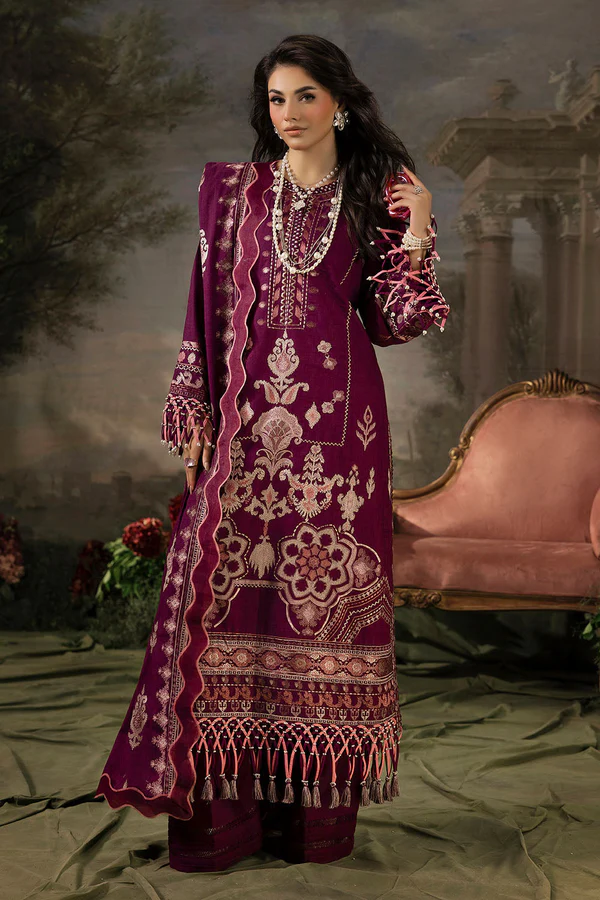
Embroidery Changes Everything
Here’s where pricing can jump dramatically.
Printed outfits cost less to produce. Digital printing is efficient. It allows brands to keep prices accessible.
But once embroidery enters the picture — even small details — production cost climbs.
High-end brands like Maria B are known for their intricate designs, lace, sequins, thread work, and layering. These take longer to make, use more fabric, and more time to finish.
Similarly, formal wear from Agha Noor comes with statement embroidery that isn’t mass-produced like lawn prints.
More handwork. More time. More quality checks.
That’s where the price gap often hides.
Brand Identity Plays a Role
Let’s be honest. Brand reputation plays a role in pricing.
Some brands target themselves at being more accessible and family-friendly. Others lean into designer or luxury territory.
Nishat, for instance, has carved a niche for itself by offering functional and wearable clothing for daily wear. Sapphire offers fashionable clothing at affordable prices.
On the other hand, Maria B and Agha Noor are more about statement pieces and event wear.
You’re not just buying fabric. You’re buying design philosophy, brand image, and consistency. Established brands invest in marketing, campaign shoots, packaging, and retail presence. Those operational costs reflect in pricing.
Ready-to-Wear vs Unstitched Makes a Big Difference
This one’s practical.
Unstitched suits cost less because you’re buying fabric panels only. Tailoring is separate.
Ready-to-wear pieces cost more because the brand handles:
- Cutting
- Stitching
- Fitting
- Quality control
- Finishing
And let’s not ignore the convenience factor. For shoppers outside Pakistan — especially in the US — ready-to-wear saves time and tailoring hassle.
When browsing through the curated collections at Salai Shop, you will notice that both stitched and unstitched collections are available. Of course, the stitched ones are going to be more expensive. However, for many consumers, this additional expense is well worth it.
Seasonal Collections Shift Pricing
Summer lawn is usually the most competitive category. Brands know demand is high, so pricing often stays within a strategic range.
But move into festive, Eid, or wedding collections, and everything changes.
Heavier fabrics. More embroidery. Richer colors. Premium packaging.
Winter lines — like khaddar or velvet from Nishat or Gul Ahmed — also cost more due to thicker materials and production complexity.
Season matters more than most shoppers realize.
Production Scale and Quantity
Big textile houses can produce in larger quantities, which sometimes allows them to keep pricing steady. Smaller designer labels that release limited collections don’t benefit from the same scale.
Limited edition collections can be more expensive simply because they are produced in smaller quantities.
Therefore, if you notice that the price point for a limited formal collection at Agha Noor is higher, it is because of exclusivity, in part.
International Buyers Face Hidden Costs
For shoppers outside Pakistan, the price tag online isn’t always the final price.
Shipping fees, customs duties, and currency conversion can quietly increase the total.
That’s why US-based retailers like Salai Shop make a difference. Instead of ordering directly from overseas and waiting weeks (while hoping customs doesn’t delay it), customers can access authentic collections domestically.
No surprise duties. No unpredictable delivery timelines.
Convenience has value, especially when shopping for events.
Presentation and Packaging Add Subtle Costs
Luxury brands invest in presentation.
Neatly folded suits. Branded boxes. Tissue wrapping. Garment covers. Tags that feel premium.
While it may seem minor, packaging and presentation contribute to the final retail price.
Brands like Maria B especially focus on complete brand experience — not just the outfit.
So Is the Higher Price Worth It?
It depends on what you are purchasing it for.
If you are looking for something that is breathable and easy to wear, a printed lawn from Sapphire or Nishat may be just what you are looking for.
However, if you are attending a wedding or an Eid party, the elaborate embroidery of Maria B or Agha Noor may be well worth the price tag.
Understanding pricing means asking:
- What fabric am I getting?
- How much detailing is involved?
- Is this stitched or unstitched?
- Is it seasonal or formal?
- Am I paying for exclusivity?
When you start to think about all these factors rather than just looking at the price point on the screen, everything becomes clear.
Final Thoughts
The price points of the top Pakistani fashion brands are not random or unjustified. They reflect quality, craftsmanship, positioning, and convenience.
The key is not chasing the lowest price — it’s understanding value.
With access to trusted labels like Sapphire, Gul Ahmed, Nishat, Maria B, and Agha Noor, Salai Shop makes comparison easier and safer for international shoppers.
Because at the end of the day, the goal isn’t to spend more — it’s to spend smart.