

Technology has transformed how people play, work, and connect, and now it is reshaping how everyone moves. The same logic that powers virtual environments, where precision and coordination define success, is now guiding real-world transportation. Smart systems are turning movement into an exact science, blending data and engineering to make transport safer, faster, and more efficient.
The Parallel Between Gaming and Engineering
Anyone who has navigated a virtual world knows that motion is never random. Behind every turn and action lies a network of logic and calculation. Engineers are now applying that same precision to transportation. Just as game engines simulate acceleration and balance, modern systems analyze routes, monitor traffic, and predict performance.
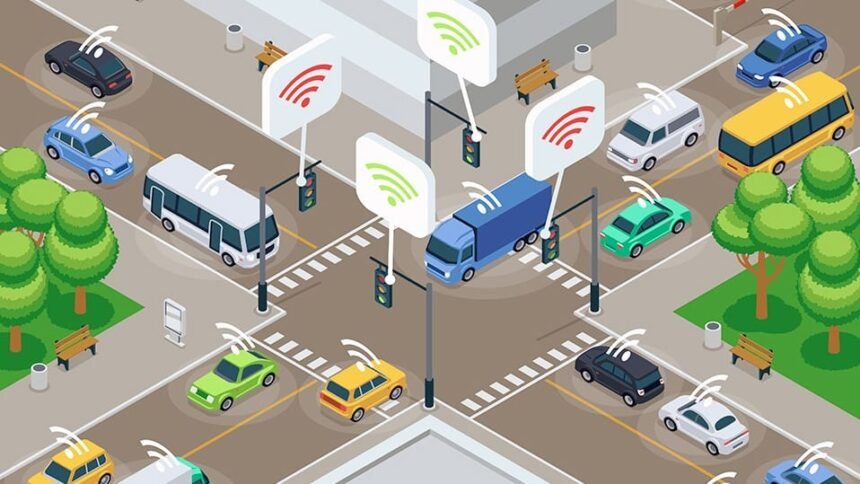
This crossover between simulation and real-world design is transforming logistics. Intelligent transport systems (ITS) use sensors, automation, and data analysis to manage traffic flow, prevent congestion, and improve coordination. Every vehicle, signal, and route becomes part of a connected system where timing matters and efficiency is key.
The Real-World Impact of Smart Systems
Technology’s greatest impact on transportation comes from its ability to adapt. Artificial intelligence can read real-time data, forecast conditions, and make adjustments on the move. It helps delivery networks find shorter routes, reduces carbon emissions, and prevents costly delays. Predictive maintenance even alerts companies before breakdowns occur, saving both time and resources.
This efficiency isn’t just practical, it’s sustainable. By cutting down unnecessary trips and optimizing movement, technology helps transportation systems work with the environment instead of against it.
The Motorcycle Connection
Motorcycle transport is one of the most interesting examples of how technology brings this logic to life. Riders who once faced complex shipping arrangements now rely on platforms that use smart coordination to simplify the process. Services like Michigan motorcycle transportation connect owners with verified carriers already traveling the same routes. This approach reduces fuel use, saves money, and ensures that each bike arrives securely and on schedule.
The system operates with the same strategy found in gaming algorithms: eliminate wasted motion, calculate efficient paths, and achieve the goal with precision. It’s a practical demonstration of how digital thinking translates into real-world results.
When Data Drives Design
The future of transport lies in merging digital logic with physical motion. Vehicles are becoming more connected, navigation systems more intuitive, and shipping networks more responsive. Every step of movement, from planning to delivery, now benefits from intelligent design that learns and evolves.
What once depended on human coordination is now guided by smart systems that make decisions in real time. Transport no longer reacts to problems; it anticipates them.
A New Kind of Movement
The border between the virtual and real worlds is fading. The precision that keeps games running flawlessly is now shaping the way we move through life. Whether it’s a shipment, a delivery, or a motorcycle on the way to a new destination, smart transport ensures every movement is deliberate, efficient, and intelligent.
Technology has taught the world a simple lesson: progress doesn’t just move forward, it moves smarter.